Write down why the current website needs to change
Start with evidence: visitors cannot find a service, mobile enquiries are difficult, pages load slowly or the business has changed its offer. Review support questions, search queries, analytics and feedback from sales before deciding that a new visual style is the main problem.
Set one primary goal and a few supporting measures. For example, a service site might prioritise qualified enquiries and use form completion, contact quality and mobile task completion as indicators. Record a baseline so the team can compare the launch with what came before.
Map audiences, pages and content owners
List the audiences the site must serve and the questions each person needs answered. Build a simple page map that gives every page a clear role; do not create a separate page for every keyword variation or location unless it offers genuinely distinct information.
Decide who supplies and approves copy, imagery, legal details and prices. Include redirects for pages whose URLs will change, preserve valuable inbound links and maintain one clear canonical URL per indexable page. Content responsibility is a launch requirement, not a task to improvise at the end.
Include mobile and performance acceptance checks
Specify what must work on common phone widths: navigation, readable type, forms, calls to action and any comparison or pricing table. Ask for responsive images, stable layout dimensions, compressed media and video that does not delay the main content. Test with keyboard navigation and reduced-motion preferences as well as touch.
Define the launch checks in advance: no broken links, valid canonical and sitemap entries, working forms, analytics events and a redirect map. Measure real-user Core Web Vitals after the site has enough visitor data; a single lab test is not a guarantee of every visitor's experience.
Compare web design proposals by scope and handoff
Ask each team to explain discovery, information architecture, design rounds, development, content migration, testing, deployment and post-launch support. Clarify source-code ownership, hosting, licences, security updates and who can make routine edits.
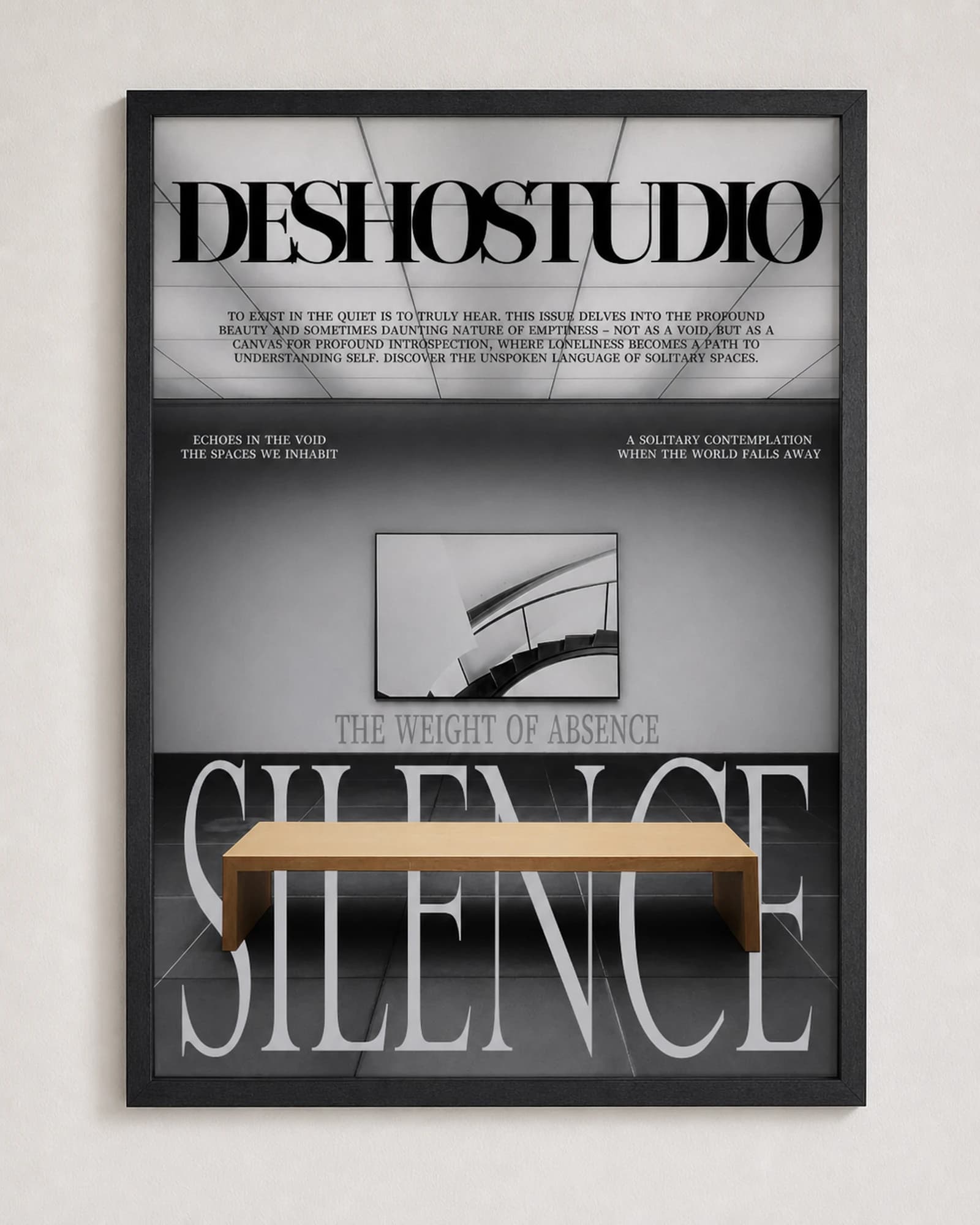
DeshoStudio designs and builds responsive websites for businesses in Gurugram and Delhi NCR. A clear brief helps us recommend a suitable platform and gives you a scope you can compare with other proposals.
A redesign is a business change; a new colour palette is only one possible part of it.